
Live dealer games have changed the way people experience online casinos. For years, digital gambling mostly revolved around automated games driven by random number generators. While those games remain popular, many players missed the atmosphere and authenticity of traditional casinos. Live dealer technology emerged to bridge that gap, combining the convenience of online platforms with the realism of human interaction.
In a live dealer environment, players connect to a real table hosted in a professional studio or casino setting. A trained dealer manages the game while multiple cameras capture every movement. The cards are shuffled by hand, the roulette wheel spins in real time, and every action unfolds naturally in front of the players. Instead of interacting with software alone, users watch a real person dealing cards or spinning the wheel.
This approach creates a sense of trust and transparency. Players can observe the entire process as it happens, which adds an extra layer of authenticity to the experience. The live video stream replicates the feeling of sitting at a real table, even though participants may be hundreds or thousands of miles away.
How Live Dealer Technology Works
Behind the smooth presentation of live dealer games lies a complex technical infrastructure. Streaming systems, specialized cameras, and secure gaming software work together to deliver a seamless experience to players across the world. Each table is usually equipped with several high-definition cameras positioned to capture different angles of the action.
These cameras transmit video in real time to online platforms. The streaming technology must maintain both clarity and stability so that players can follow every movement without delays. At the same time, advanced software synchronizes the video with the betting interface displayed on the player’s device.
Real-Time Video Streaming
Real-time streaming forms the backbone of live dealer games. Unlike traditional online casino games, where results are generated instantly by software, live dealer games rely on actual events taking place in physical studios. The streaming system ensures that every spin of the roulette wheel or shuffle of cards is transmitted to players without noticeable delay.
High-quality production values also enhance the viewing experience. Modern studios often resemble television sets, complete with professional lighting, multiple camera angles, and well-trained dealers who present the games clearly and confidently.
Optical Recognition and Game Integration
Another fascinating component of live dealer technology involves optical recognition systems. These systems detect cards, numbers, or other elements during the game and instantly translate them into digital data. For example, when a card is placed on the table in a blackjack game, the system reads the card and updates the online interface for all players.
This integration ensures accuracy and speed. Players see the results appear on their screens almost immediately, even though the game itself is being conducted in a real environment.
Popular Types of Live Dealer Games
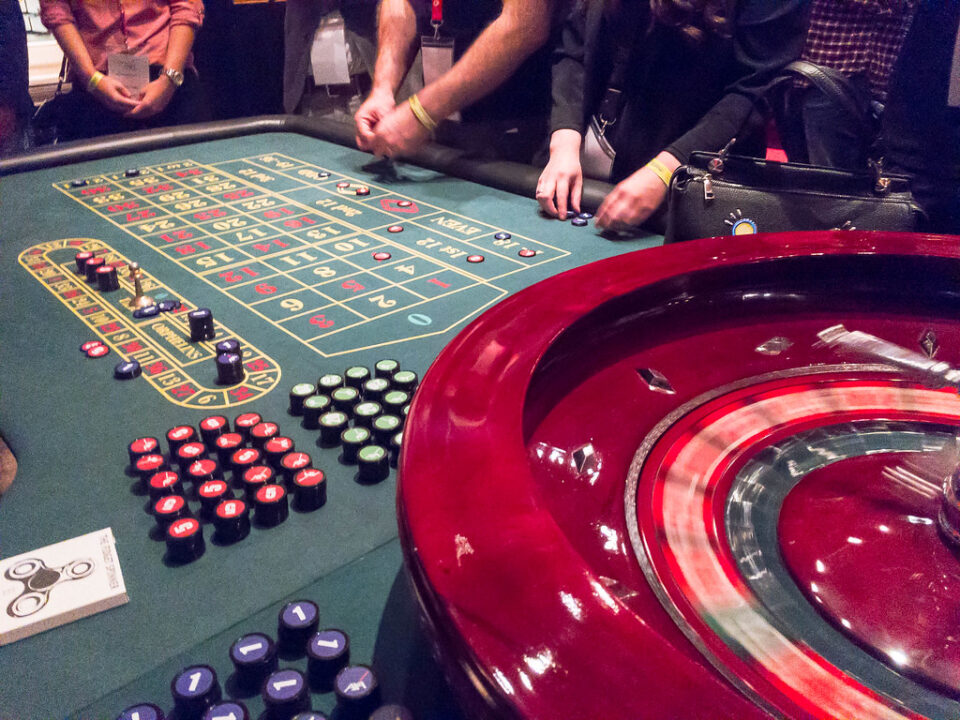
Several classic casino games have successfully transitioned into the live dealer format. Each game maintains its traditional rules while benefiting from the immersive nature of live streaming. The familiarity of these games helps players quickly adapt to the online environment.
Roulette remains one of the most recognizable live dealer games. Watching the wheel spin and the ball settle into a numbered pocket creates suspense that automated versions sometimes struggle to replicate. The visual element adds excitement as players wait for the final outcome.
Blackjack is another favorite among live casino enthusiasts. The presence of a real dealer makes the game feel more personal, especially since players can observe the dealer’s actions in real time. Decision-making becomes more engaging because the flow of the game mirrors what happens in a physical casino.
The Appeal of Live Roulette
Live roulette captures much of the elegance associated with traditional casinos. The spinning wheel, the bouncing ball, and the dramatic reveal of the winning number create a moment of anticipation shared by everyone at the table. Even though players participate from their own devices, the atmosphere feels surprisingly close to a real casino floor.
The Strategy of Live Blackjack
Live blackjack attracts players who enjoy combining luck with strategy. Watching the dealer deal cards in real time gives the game a more authentic rhythm. Players follow each hand carefully, considering whether to hit, stand, or double down while observing the actions of others at the virtual table.
Interaction Between Players and Dealers
One of the most appealing aspects of live dealer games is the ability to interact with the dealer and sometimes with other players. Many platforms include chat functions that allow participants to send messages during the game. This feature creates a sense of community that traditional online games often lack.
The Human Element in Online Casinos
The presence of a real dealer changes the emotional dynamic of the game. Instead of playing against a silent algorithm, players engage with a person who manages the table, announces results, and occasionally responds to messages from the chat. This interaction helps recreate the social environment of a land-based casino.
Dealers themselves play an important role in maintaining the atmosphere. Professional training ensures they handle the game smoothly while keeping the tone friendly and engaging. Their presence transforms the experience from a purely digital activity into something more interactive.
Building a Social Gaming Experience
The chat function allows players to greet the dealer, celebrate wins, or discuss the game with others watching the same table. Even brief exchanges can make the session feel more lively and personal. Over time, regular players may return to the same tables simply because they enjoy the atmosphere created by familiar dealers.
The Future of Live Dealer Gaming
Live dealer games continue to evolve as technology improves and player expectations grow. Studios are experimenting with new camera techniques, interactive features, and innovative game formats that blend traditional casino rules with modern entertainment elements.
Some platforms are also introducing hybrid games that combine live dealer action with unique digital features. These games expand the possibilities beyond classic casino formats while preserving the authenticity that players appreciate.
The growing popularity of live casinos has attracted attention from many sectors of the online entertainment industry. Platforms such as National Casino demonstrate how live dealer games can become a central part of a broader gaming ecosystem, offering players both realism and convenience within a single platform.
Innovation in Game Presentation
Producers are increasingly focusing on presentation quality, transforming live dealer studios into visually impressive environments. Advanced lighting, multiple camera angles, and cinematic graphics create a viewing experience that rivals professional broadcasts.
Expanding Player Access
As internet speeds improve and mobile technology advances, live dealer games are becoming accessible to a wider audience. Players can now join tables from smartphones or tablets with the same smooth streaming experience once limited to desktop computers. This accessibility continues to expand the reach of live casino entertainment.
About the Author